Drowning in Damp? A Tremont Homeowner’s Guide to Winning the Basement Waterproofing Battle!
Ah, Tremont! Historic homes whispering tales of Cleveland’s past, a vibrant community brimming with art and life, and those breathtaking city views that etch themselves into your memory… but I often wonder, as I stroll these charming streets, if beneath those meticulously maintained facades, some basements are telling a rather different, and far less romantic, story?
It’s a universal homeowner woe, a chilling prelude to structural nightmares: that first whiff of a dreaded damp smell, the unnerving glint of suspicious puddles gathering in corners, or, in the worst-case scenario, the outright horror of a flooded basement. These aren’t just minor aesthetic blemishes; they represent a serious threat to your home’s value, the very structural integrity that holds your haven together, and, perhaps most importantly, the health and well-being of your family.
Why, you might ask, am I so concerned about basements in particular? Well, our beloved Tremont, with its rich tapestry of history woven into its older housing stock, faces a unique set of challenges when it comes to keeping those subterranean spaces dry and livable. So, let’s embark on a journey, a deep dive (pun intended!) into the watery world lurking beneath our feet, and explore how to navigate the often-murky waters of basement waterproofing.
The Root of the Problem: Why Our Basements Get Wet (Especially in Tremont!)
Let’s talk about dirt. Or, more accurately, let’s talk about Cleveland’s notorious clay. This isn’t your average garden-variety soil; it’s a dense, heavy clay that, when saturated, expands with almost comical enthusiasm. This expansion creates immense “hydrostatic pressure,” a relentless force that pushes water with determined persistence right through any weakness in your foundation. Think of your basement as a valiant, but ultimately outmatched, boat struggling to stay afloat in a very, very damp lake.
But the problem extends beyond just the soil. Tremont, with its aging infrastructure, carries its own specific burdens:
- Historic Foundations: Many of our homes were built before the 1940s, a time when construction standards were… well, let’s just say less rigorous than today. This often translates to shallower footings, a relative scarcity of steel reinforcement (rebar wasn’t standardized until the 1950s!), and a less complete understanding of the intricate dance between soil conditions and structural integrity. These factors combine to make older foundations significantly more vulnerable to cracking, shifting, and the insidious creep of moisture.
- Poor Exterior Drainage: Take a stroll around your property. Are your gutters clogged with fallen leaves and debris, diverting rainwater directly against your foundation? Do your downspouts unceremoniously dump water in concentrated torrents right next to the house? Does your yard, perhaps subtly, slope inwards, creating a natural funnel directing water towards your foundation? These seemingly minor issues can quickly escalate into major moisture problems.
- Cracks & Gaps: The relentless forces of nature, the subtle settling of the earth, the expansion and contraction caused by temperature fluctuations – all these contribute to the formation of cracks, even hairline fractures, in your foundation walls. Pipe penetrations, where plumbing and utility lines enter your basement, and the vulnerable cove joint (where the wall meets the floor) are also notorious weak points. These imperfections, often invisible to the untrained eye, become open invitations for water to seep in and wreak havoc.
- The Usual Suspects: Of course, we can’t overlook the more obvious culprits: leaky internal plumbing, faulty basement windows that have seen better days, or the dreaded sump pump that decides to take an unscheduled day off.
- The Sneaky Culprit: And then there’s condensation, the silent, almost invisible enemy. High humidity levels within your basement can lead to condensation forming on cool surfaces, mimicking the appearance of a leak and creating a perpetually damp, uncomfortable environment.
A Splash Through Time: The Evolution of Keeping Basements Dry
The quest to keep water at bay is an ancient one, predating even our beloved Tremont. It’s fascinating to consider the ingenuity our ancestors employed in their battles against the relentless forces of water:
- Ancient Ingenuity: Believe it or not, waterproofing strategies have been around for thousands of years! Consider the majestic Egyptian temples, meticulously coated with bitumen (a natural tar) and layers of dry reeds to defy the annual floods of the Nile. Or the ingenious Romans, who, in their construction of elaborate baths and aqueducts, invented “opus signinum,” a remarkably effective waterproof plaster made with volcanic ash and lime. Pretty advanced stuff for a civilization without power tools, wouldn’t you say?
- The Industrial Revolution’s Game-Changers (19th Century): The 19th century brought a wave of innovations that forever changed the landscape of construction and waterproofing. The development of Portland cement, a stronger and more durable foundation material that could even harden underwater, was a pivotal moment. Simultaneously, the advent of asphalt and rubber-based materials opened new possibilities for creating protective membranes and coatings. And let’s not forget the humble French drain, Henry French’s ingenious 1850s invention – a gravel-filled trench containing a perforated pipe – which quickly gained popularity for diverting water away from cellars.
- The 20th Century & Beyond: The 20th century witnessed an explosion of technological advancements, particularly in the realm of synthetic materials. PVC, polyurethane, EPDM – these flexible, durable polymers emerged as waterproofing superheroes, offering unparalleled resistance to water penetration. However, the rapid growth of the waterproofing industry in the 70s and 80s also led to a “Wild West” scenario, characterized by inconsistent workmanship. Fortunately, this period also spurred the development of professional standards and organizations like the Basement Health Association, dedicated to ensuring quality and ethical practices.
- How This Impacts Tremont: As we reflect on this historical progression, it becomes clear that your historic Tremont home might be equipped with early waterproofing methods, rudimentary at best, or perhaps none at all! Understanding the age and construction techniques of your home is therefore crucial for devising an effective and lasting waterproofing strategy.
The Great Debate: Interior vs. Exterior – What’s Best for Your Tremont Treasure?
Now, let’s wade into a topic that often stirs passionate debate among homeowners and waterproofing professionals alike: the age-old question of interior versus exterior waterproofing.
- The “Behind Closed Doors” Approach (Interior Waterproofing): This approach typically involves installing interior French drains (perforated pipes placed beneath the basement floor, leading to a sump pump), applying vapor barriers to the interior walls, and using sealants to address minor leaks.
- Pros: One of the primary advantages of interior waterproofing is its relative ease of installation. It’s generally less disruptive, as it doesn’t require excavating your yard, and is often quicker and more affordable than exterior methods, at least initially.
- The Controversy: However, the efficacy of interior waterproofing is a subject of ongoing debate. Is it truly “waterproofing,” or simply “water diverting?” Many experts argue that it doesn’t actually prevent water from entering the foundation; it merely manages the water once it’s already inside. Some critics even view it as a temporary “band-aid” solution that fails to address the underlying structural issues.
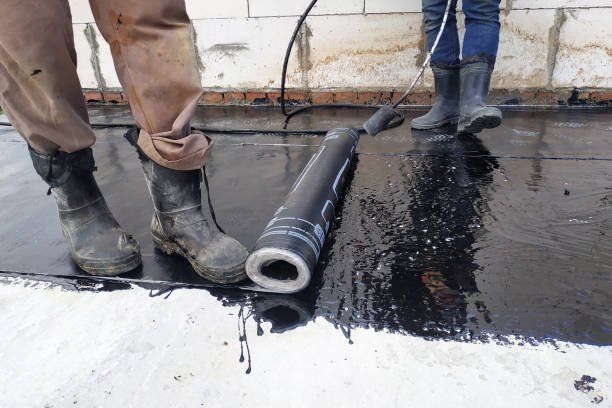
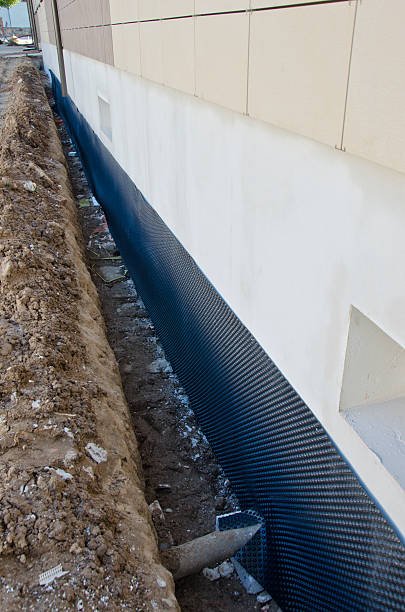
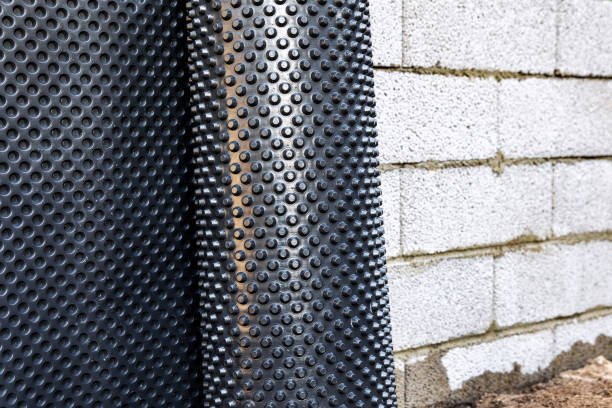
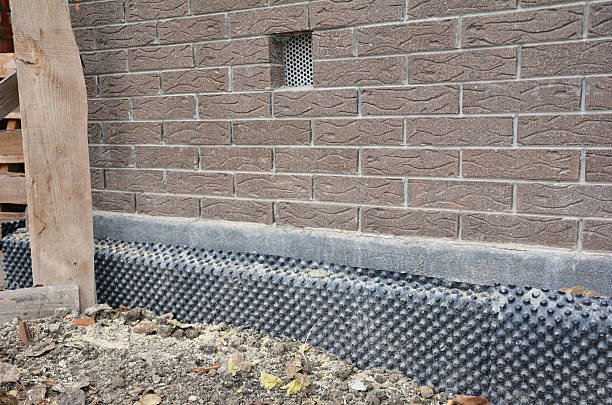
- The “Dig It Up!” Method (Exterior Waterproofing): This more comprehensive approach involves excavating around your foundation, applying waterproof coatings and membranes to the exterior walls, and installing exterior footing drains to intercept water before it reaches your foundation.
- Pros: Exterior waterproofing offers the significant advantage of stopping water at its source. By creating a robust barrier on the exterior of your foundation, you can effectively prevent water from penetrating the walls in the first place. This approach is generally considered to be a more comprehensive and long-lasting solution.
- Cons: However, exterior waterproofing comes with its own set of drawbacks. It’s a significantly more disruptive process, requiring extensive excavation and landscaping work. It’s also considerably more expensive than interior methods, making it a substantial investment.
Tremont’s Verdict: So, what’s the verdict for Tremont homeowners? Given our clay soil, older homes, and the unique challenges they present, many local experts advocate for a combined approach, incorporating elements of both interior and exterior strategies. This tailored approach allows for a comprehensive and reliable long-term solution that addresses the specific needs of your home.
Navigating the Murky Waters: Avoiding Waterproofing Woes & Scams
Unfortunately, the world of basement waterproofing isn’t always a crystal-clear stream. There are murky currents of unscrupulous contractors and questionable practices that homeowners need to navigate with caution.
- Homeowner Horror Stories are Real: It’s disheartening, but true: high-pressure sales tactics, non-itemized quotes that leave you wondering where your money is going, unfinished jobs that leave your basement in a perpetual state of disarray, recurring leaks that mock your expensive repairs, and even horror stories of damaged pipes during installation – these scenarios are sadly common in Cleveland.
- BBB Warnings: The Better Business Bureau has issued warnings about companies engaging in incomplete work, failing to obtain necessary permits, and leaving homeowners stranded and facing even greater problems.
- Red Flags to Watch For: Recognizing the warning signs is crucial for protecting yourself from potential scams. Be wary of:
- Unsolicited offers or “too good to be true” deals that seem suspiciously cheap.
- Aggressive salesmen who use fear tactics, such as alarming claims about “black mold,” to pressure you into making a hasty decision.
- Companies pushing a “one-size-fits-all” solution without conducting a thorough inspection of your basement and property.
- A lack of clear explanation as to why they are recommending a specific fix.
- Contractors who avoid discussing licenses, insurance, or warranties.
- DIY kits: Often provide only temporary relief and are not a lasting solution against Cleveland’s challenging soil conditions.
Finding Your Tremont Trustworthy Pro: Finding a reputable waterproofing contractor is essential for ensuring a successful and stress-free experience. Look for companies with proven experience in dealing with Cleveland’s unique soil and the specific challenges posed by historic homes. Seek multiple bids and comprehensive assessments from different contractors to gain a well-rounded understanding of your options. Prioritize clear communication, transparent pricing, detailed warranties, and proper licensing and insurance. And, of course, check online reviews and BBB ratings to gauge the contractor’s reputation and track record.
The Future is Flowing: Smart Basements & Eco-Friendly Fixes
Looking ahead, the future of basement waterproofing is brimming with exciting possibilities, driven by technological advancements and a growing awareness of environmental sustainability.
- High-Tech H₂O Heroes:
- Smart Sensors & IoT: Imagine a world where your phone alerts you to a tiny drip in your basement before you even detect the faintest hint of dampness! Real-time moisture and humidity monitoring systems, powered by the Internet of Things, are becoming increasingly sophisticated and affordable.
- AI-Powered Controls: Envision systems that automatically adjust dehumidifiers, sump pumps, or even redirect water flow based on real-time weather predictions and AI-powered algorithms.
- Robots on the Job: The future may hold tiny robots that can navigate the tightest corners of your basement, inspecting for cracks and even applying waterproofing materials in hard-to-reach areas, minimizing disruption and maximizing precision.
- Self-Healing Coatings: In the realm of futuristic materials, self-healing coatings hold immense potential. These innovative materials could automatically seal cracks as they form, preventing water from ever gaining a foothold.
- Greener Groundwork: There’s a growing movement toward sustainable waterproofing practices, driven by a desire to minimize environmental impact. This includes the use of sustainable materials, water-based sealants, recycled drainage components, and permeable membranes that allow water to drain naturally into the surrounding soil.
- Better Building Codes: Building codes are continuously evolving to ensure more robust and effective waterproofing for underground structures. Regulations such as BS 8102:2022 and updates to the International Residential Code (IRC) are incorporating advancements in waterproofing technology and promoting fire-safe and gas-resistant designs.
- Radon Ready: As awareness of radon’s health risks grows, integrating radon mitigation systems with waterproofing efforts is becoming increasingly common. This involves installing underslab gas barriers to prevent radon from entering your basement, ensuring a healthier and safer living environment.
Bringing it Home to Tremont:
- Your Tremont Home, Dry and Happy: While our historic neighborhood presents unique waterproofing challenges, the good news is that reliable, long-lasting solutions do exist.
- Don’t Let Dampness Diminish Your Dream: Protect your investment, your health, and your peace of mind.
- Call to Action: Get informed, get multiple expert opinions, and choose a reputable local contractor who understands the specific needs of Tremont homes. Your basement (and your nose) will thank you!